

Quality Structuring at IUE
Mission, Vision, Core Values and Quality Policy
Mission: Izmir University of Economics has adopted the mission of increasing the welfare of society and supporting social, economic and environmental sustainability through innovative and transformative education, qualified knowledge production and strong social contribution activities.
Vision: Izmir University of Economics’ vision is to be a university that produces creative and transformative solutions for sustainable living.
CORE VALUES
- Academic Freedom: Academic freedom is of vital importance for cultivating individuals capable of critical thinking and ensuring the continuity of knowledge production. Being open to different perspectives enriches the learning and research environment. Our University supports this freedom, promoting scientific progress.
- Equity: Our University is committed to providing equal opportunities to all individuals regardless of gender, ethnicity, age, religion, disability, or gender identity. Our goal is to create a fair environment for everyone by prioritizing justice and merit in institutional activities.
- Reliability: The reliability of knowledge, research, and academic processes is a priority for our University. We consider it a core value that academic programs are based on accurate information, research findings are reliable, and administrative processes are conducted transparently.
- Accountability and Transparency: Being accountable to internal and external stakeholders is essential for our University. We prioritize the transparent sharing of decisions and activities, continuously improving processes by incorporating stakeholder feedback. We are committed to achieving institutional goals in line with the principles of accountability, trust, and integrity.
- Creativity and Innovation: Creativity encourages the development of original ideas and thinking beyond traditional boundaries. Innovation, on the other hand, means effectively implementing these ideas to advance education, research, and institutional management. Our University supports growth by creating an environment where creative thinking is put into practice.
- Health, Well-being, and Solidarity: Our University prioritizes health, well-being, and a compassionate community. We support these values to enhance the personal, professional, and academic success of our students, faculty, and staff. We promote a culture of health by providing accessible healthcare services, healthy nutrition options, and a safe campus environment. We offer mental health resources, strengthen resilience, and provide programs that support stress management and life balance. We foster an inclusive environment built on empathy, respect, and mutual support.
Izmir University of Economics adopts a total quality management approach that aims to exceed the expectations of internal and external stakeholders, make data-driven decisions, inform and empower its employees, and continuously improve all processes through teamwork, in order to fulfill its duties of education, knowledge production, and social contribution in line with universal academic principles and values.
In this context, the quality policy includes activities that:
- Conduct all activities at the University in line with its mission, vision, values, and strategic objectives,
- Establish an effective quality assurance system to monitor and evaluate the quality of education, learning, knowledge production, and social contribution processes,
- Monitor and evaluate the Strategic Plan, prepared with stakeholder participation, through a performance management system regularly,
- Process the data from various sources to be used in monitoring and evaluation processes,
- Review of policies, processes, and operations by considering regular stakeholder feedback and the continuous improvement of service quality,
- Ensure the involvement of students, academic staff, administrative staff, and external stakeholders in quality assurance processes,
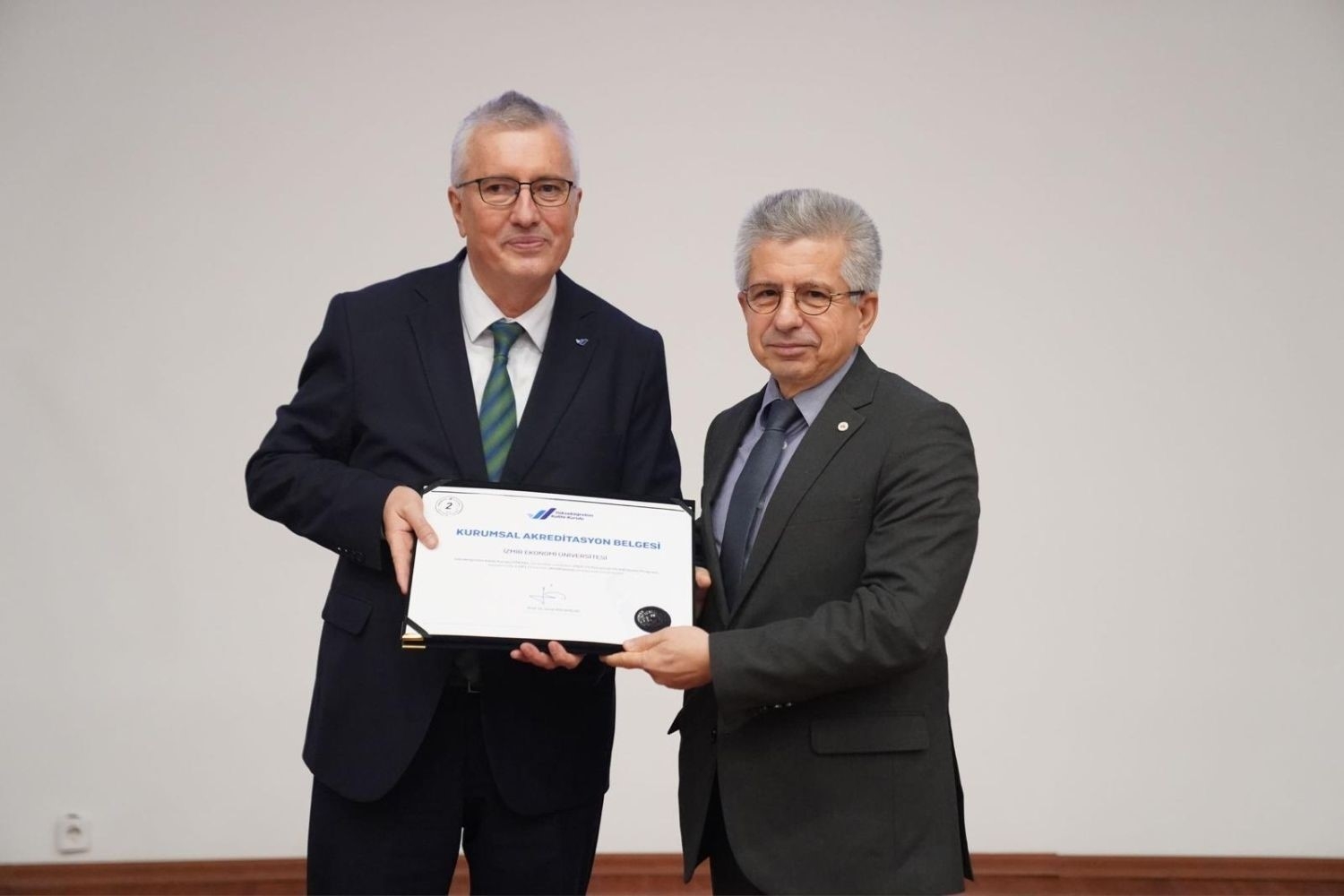
- Ensure the alignment of the University's policies, processes, and operations with national and international standards and regulations, as well as the encouragement of national and (in line with the resources) international accreditations of academic programs,
- Develop and sustain a quality assurance system aimed at establishing clear and effective communication channels with all stakeholders through the determination of internal and external communication strategies.
NEWSALL NEWS